
Tea Traditions

According to Chinese legend, tea was born in 2727 BC, when the Emperor Shen Nong was purifying water in the shelter of a tea tree, and several leaves blew into the pot. The resulting brew, of superb fragrance, color and taste, made the emperor rejoice. Tea soon became a daily drink in Chinese culture.
In India, another legend tells the story of Prince Dharma, who left his homeland for China, to preach Buddhism. He vowed not to sleep during his 9–year mission. Toward the end of his third year, when he was overtaken by fatigue, he grabbed a few leaves of a tea shrub and chewed them up. They gave him the strength necessary to stay awake for the remaining 6 years of his mission.
The Japanese version of this story has the exhausted Bodi Dharma falling asleep, however. Upon awakening, he was so disgusted with himself, he tore off his eyelids, to ensure that they would never inadvertently close again. The place where he threw them on the ground produced enchanted (tea) shrubs with leaves having the power to keep eyelids open.
Chinese Tea
"Its liquor is like the sweetest dew from heaven," swrote Lu Yu in his classic work Ch’a Ching. The 8th century scholar produced the first authoritative book on tea, providing details on every aspect of tea growing and manufacture, as well as wisdom on the art of drinking tea.

Tea has been appreciated in China since 2000 BC, first for medicinal purposes and later for its refreshing qualities. The Chinese have valued this unique beverage, using tea leaves for gift giving, courtship rituals, ancestor worship, and imperial tribute taxes.
Japanese Tea

Beginning in the 9th century, the enjoyment of tea spread to countries outside China, first to Japan and Korea, then to the Middle East. For centuries China was the world’s only tea–exporting country. Beginning in the 19th century, however, stiff competition arose as India and Ceylon began to grow tea. Today China remains one of the largest suppliers of quality teas. Chinese Tea
Tea came to Japan from China. It was first served in the Buddhist temples to monks, priests, and the ruling class who attended special services. These temple tea practices were gradually adapted to incorporate aspects of Japanese culture as they were passed on for several hundred years. Eventually these ceremonies were codified by the priest Sen Rikyu in the mid 1500s. Today he is regarded as the founder of the Japanese Tea Ceremony and three of its schools.
In cultured circles drinking tea became recognized and valued as a way to transcend the mundane without participating in the vulgarity of wine’s drunkenness. Tea was also valued for its health benefits as early as the 1100’s. The luxury of tea eventually became regarded as a necessity in Japanese daily life.
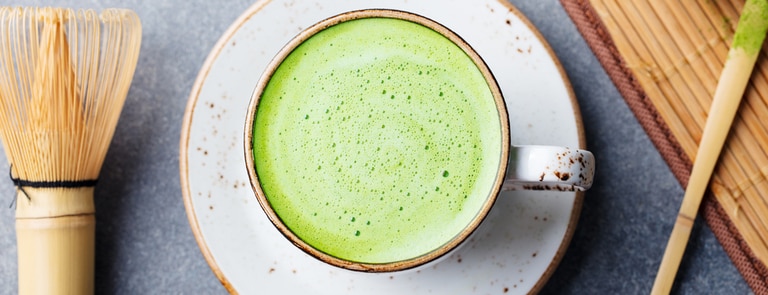
The Japanese drink a wide variety of green teas. Color and delicacy of taste are important, and brews of fine fragrance and greenish–golden hues are prevalent. Matcha is the powdered tea used in the Japanese tea ceremony. In decreasing order of quality, we find Gyokuro, Sencha and Bancha, for everyday use. Japanese Tea
Indian Tea
India is the largest tea exporter in the world. Most of its tea production is consumed at home. This gives us an idea of the magnitude of production, and of its economic impact on the country. While tea plants are indigenous to parts of northwestern India, tea was not a part of the Indian diet until after the British began producing tea there circa 1850.
Many varieties of tea are produced in India. Darjeeling, known as "the Champagne of teas" grows high in the foothills of the Himalayas. Only at this altitude and microclimate is it possible to produce a slow growth of leaves with such delicate, complex power. Assam teas, more malty and full–bodied, are grown in the Northeast of India. The Nilgiri highlands of southern India are known for fine, fragrant, fruity teas.
The Indian palate was not satisfied by the thin, sugared beverage. But by drawing from their own cultural pantry they created the tea drink that we know as chai – black tea simmered with milk, sugar, and rich flavorful spices such as cardamom, ginger, clove and cinnamon. Every housewife and chaiwallah has his or her own recipe for what they call masala chai, or spice tea. Indian Tea
Russian Tea
Tea was brought from China to Russia by the "Great Tea Road". This was a part of the famous Silk Road. The journey was not easy, taking over sixteen months to complete 11,000 miles. The average caravan consisted of 200 to 300 camels. The cost of tea was initially prohibitive and available only to the wealthy. By the time of Peter the Great, the price had dropped. Hearty, warm, and sustaining, tea was ideally suited to Russian life.

Via the caravan routes, tea penetrated all Mongol lands, Muslim countries and Russia, long before reaching Europe. In all of the Arab countries, tea has for centuries been the most popular drink. Tea is central in relaxing together with family or when entertaining guests.
Regarded as indispensable for welcoming visitors in Morocco, tea is served in a very refined way. In the reception room, incense is burned and the host and guests refresh their hands with rose or orange blossom water as they take their seats. The tea served is hot mint tea, prepared with fresh mint and sugar added to green tea.
The Muslim countries are amongst the highest per capita consumers of tea in the world. This has created all–day tea–drinking traditions, from sipping tea from ornate glasses in the traditional teahouses to samovars central in almost every home and gathering place.
French tea
One of the first French tea connoisseurs was King Louis XIV, who drank tea regularly, initially for health reasons. It was prescribed to aid his digestion, and as a preventive measure to guard against gout and cardiac disorders. After the French revolution, it lost popularity and saw only modest use until the mid–19th century.
Popularity in France has now grown to the point that there is a tea for every occasion, mood, event or even time of day. Thousands of beautiful and creative, cultural and gastronomic tearooms thrive, particularly in urban areas. It’s the French pastry which makes "the French art of tea" unique. The French have elevated pastry–making to an art form, with its popularity established long before that of tea drinking. However, its near perfect complement to tea drinking is what gives French Tea true character.

United Kingdom`s tea
Outside of China, the Republic of Ireland and the United Kingdom are the largest per capita consumers of tea in the world. Tea was introduced to the Western world from China via the famous Dutch East India Company in the 17th century, when coffee was the drink of choice of the working class and hot chocolate the preferred beverage of the upper classes.
"Tea time" soon became an important feature of British life. Traditionally, the upper classes serve a "low" or "afternoon" tea around 4:00 PM. The tradition stems from the early nineteenth century, when a typical day’s dining for English aristocracy consisted of two meals per day – a late breakfast and a late dinner. Middle and lower classes have a "high" tea later in the day, at 5:00 or 6:00. It is a more substantial meal – essentially, it’s dinner. The names derive from the height of the tables on which the meals are served. Low tea is served on tables which we would call "coffee tables." High tea is served on higher (working) tables.
English tea standards include black tea blends, such as the well known Earl Grey and English Breakfast.
North America
The story of our nation’s independence begins with tea. At the celebrated Boston Tea Party of 1773, three shiploads of tea were dumped into the harbor in protest over high taxes on the tea being re–exported from Britain to the American colonies. In our formative years, we were a green tea–consuming culture. Until WWII, tea was the most widely consumed hot beverage in the United States.
Most notably, the US has made its contribution to global tea culture by popularizing iced tea. It was first introduced at the 1904 World’s Fair in St. Louis. A group of tea producers from India had set up a booth to promote their black teas. The sweltering summer heat and humidity prompted them to serve the tea over ice, just to get people to try it. In the 100 years since then, consumption of iced tea in the US has grown to over 40 billion cups per year.

Tea Today
The diverse tea–drinking rituals and histories remind us that tea is much more worldly than people sometimes think. Without these cultural differences, we might not think of tea as more than something to keep us warm or quench our thirst.
Health research and lifestyle trends have of late given tea new importance. Increased understanding of the role antioxidants play in the prevention of cancer and cardiovascular disease has positioned tea as the ideal health beverage. Tea is now thought of as a stylish, healthy alternative to coffee and soda. It is fat and calorie–free, natural and untainted by additives. Manufacturers of cosmetics, perfumes and skin–care products are also developing new products that integrate the benefits and pleasures of tea.
About White Tea
Many people are surprised to learn that all teas, white, green, oolong, black and pu-erh are made from the leaves of the same species. While the varietal of the particular Camellia sinensis plant as well as the weather conditions and soil contribute to the final taste of the tea, the significant differences of tea type develop in the processing of the leaves.
The distinguishing factor that determines whether a tea plant will become white, green, oolong, or black tea is oxidation. Oxidation begins after the leaf has been plucked from the plant, and begins a process of being dried, withered, rolled, and heat treated. A black tea is fully oxidized, causing it to turn black, while a white tea is barely oxidized at all, thus retaining its soft, silvery down.
We tend to call many things that we infuse in hot water a tea. But technically, it’s only tea if it’s made from the leaves of Camellia sinensis, an evergreen plant indigenous to China and India. Today tea is grown in over one hundred countries to meet the worldwide demand.
Tea is the world’s second most popular beverage, after water. More people in the US are drinking tea than ever before, joining a booming worldwide trend. Increased understanding of the role antioxidants play in weight loss as well as the prevention of cancer and cardiovascular disease has revealed tea as an ideal health beverage. Fresh brewed tea is 100% natural, fat-free, calorie-free, gluten-free, sugar-free, preservative-free, and low in caffeine—tea is the healthy choice.

White Tea
White teas are the least processed of all teas. They release the least amount of caffeine of all teas, generally ranging from 10-15 milligrams per 8 oz cup. Almost all white teas hail from Fujian Province, China.
White teas are picked when young tea buds are tightly enclosed in new leaves. This retains a silky, downy quality in the leaves. When you first drink white tea, it seems quite tasteless – as if you were drinking hot water. However, after a while, you’ll become aware of a subtle change in your breath and at the back of your mouth. You will taste a soft, nourishing sweetness and eventually experience a similar sensation down your throat.

About green tea
Green tea leaves plucked in the morning are ready to be brewed in a pot the same night. The bypass of oxidation allows green tea to retain most of its natural dark green color, tannins, vitamin C, chlorophyll and minerals. The taste of green tea is therefore more astringent and subtler than oolong or black tea.
The lack of oxidation is also responsible for the very low caffeine content of green tea (only 1%). Its caffeine effect produces a nearly steady, mild high with no big peaks or plunges. Green tea is therefore the perfect meditative aid: it acts as a mild stimulant, without causing insomnia or nervousness. It refreshes and quiets.
The names of Chinese green teas denote leaf styles and often make reference to the region where the tea is from. The names of Japanese green teas generally end in "cha" (meaning tea).
Tea is the world’s second most popular beverage, after water. More people in the US are drinking tea than ever before, joining a booming worldwide trend. Increased understanding of the role antioxidants play in weight loss as well as the prevention of cancer and cardiovascular disease has revealed tea as an ideal health beverage. Fresh brewed tea is 100% natural, fat-free, calorie-free, gluten-free, sugar-free, preservative-free, and low in caffeine—tea is the healthy choice.

White Tea
White teas are the least processed of all teas. They release the least amount of caffeine of all teas, generally ranging from 10-15 milligrams per 8 oz cup. Almost all white teas hail from Fujian Province, China.
White teas are picked when young tea buds are tightly enclosed in new leaves. This retains a silky, downy quality in the leaves. When you first drink white tea, it seems quite tasteless – as if you were drinking hot water. However, after a while, you’ll become aware of a subtle change in your breath and at the back of your mouth. You will taste a soft, nourishing sweetness and eventually experience a similar sensation down your throat.

About Oolong Tea
Oolong teas are semi–oxidized, which places them mid–way between green and black teas. This gives them the body and complexity of a black tea, with the brightness and freshness of a green tea.
The caffeine content and antioxidant level is also mid–way between that of green and black teas, making them most healthy and palatable. A very favorite and desired tea amongst connoisseurs, all oolongs hail from either China or Taiwan.
Preparation of oolong teas requires pure water at 195° F. (Boil, then cool 2 mins)
They may be infused multiple (3–7) times, each steep lasting 1–3 minutes. The caffeine content of oolong teas decreases dramatically from the first to the third brew, yielding about 30–50 mg in first the cup, 15–25 mg in the second, and 5–10 mg in the third.

White Tea
White teas are the least processed of all teas. They release the least amount of caffeine of all teas, generally ranging from 10-15 milligrams per 8 oz cup. Almost all white teas hail from Fujian Province, China.
White teas are picked when young tea buds are tightly enclosed in new leaves. This retains a silky, downy quality in the leaves. When you first drink white tea, it seems quite tasteless – as if you were drinking hot water. However, after a while, you’ll become aware of a subtle change in your breath and at the back of your mouth. You will taste a soft, nourishing sweetness and eventually experience a similar sensation down your throat.

About Black Tea
Black teas are fully oxidized teas. Black teas brew a liquor from reddish brown to dark brown. They are the most popular type of tea in the Western world. Black teas range from 40 – 60 milligrams of caffeine per 8 oz cup.
There are three major tea producing areas in India: Darjeeling, Assam, and Nilgiri. Black teas are also available from Sikkim, an area bordering Darjeeling. Ceylon teas come from the island nation now called Sri Lanka. Other loose-leaf black tea producing countries include: Nepal, Turkey, Indonesia, Kenya and Australia.
Black Teas from China are divided into two main categories: Northern Chinese (Keemun teas from Anhui province and similar teas such as Golden Monkey) and Southern Chinese which are the black teas from the Yunnan province. Many teas from China often have poetic names that don’t give any information about the type of tea or the region that it came from, such as Cloud Mist and Fairy Branch.
Tea is the world’s second most popular beverage, after water. More people in the US are drinking tea than ever before, joining a booming worldwide trend. Increased understanding of the role antioxidants play in weight loss as well as the prevention of cancer and cardiovascular disease has revealed tea as an ideal health beverage. Fresh brewed tea is 100% natural, fat-free, calorie-free, gluten-free, sugar-free, preservative-free, and low in caffeine—tea is the healthy choice.

White Tea
White teas are the least processed of all teas. They release the least amount of caffeine of all teas, generally ranging from 10-15 milligrams per 8 oz cup. Almost all white teas hail from Fujian Province, China.
White teas are picked when young tea buds are tightly enclosed in new leaves. This retains a silky, downy quality in the leaves. When you first drink white tea, it seems quite tasteless – as if you were drinking hot water. However, after a while, you’ll become aware of a subtle change in your breath and at the back of your mouth. You will taste a soft, nourishing sweetness and eventually experience a similar sensation down your throat.
