What Is Photography Lighting?
Talking about photography, one of the most crucial aspects of any shot is the lighting. In the field of photography, light refers to the position of the light source, which might be natural or artificial, concerning your subject. The direction and quality of light in your final photo can alter everything from clarity to tone to emotion and so much more. You can become a better photographer if you:
- Pay attention to the interaction of light with your subject’s angles and curves.
- Outline which parts of the subject are illuminated and which are dark.
How Lighting Affects Your Photography?
Whether you are shooting portraits, still lifes, or landscapes, a lot of your lighting decisions will be based on the characteristics of your subject and how you want them to appear in your images. Hard light, for example, is harsher and will emphasize angles and any surface that is not entirely flat, such as beach waves or a model with wrinkles or acne, but soft light will smooth over similar flaws.
Suppose you are doing a beauty shoot focusing on faultless features. In that case, the lighting you choose will most likely be very different than if you are doing a photoshoot to accentuate your model’s personality and distinct lines. Understanding how to use natural and artificial lighting to its full potential in any setting will be a significant step forward in your quest to become the most outstanding photographer you can be.
Photography Lighting: The Importance Of Position
The photographer’s ability to understand light in photography is dependent on where the light source is placed, whether natural or artificial. And doing so has a more significant impact on the final image than anything else. Placing the light in front of the subject frequently results in a flat image lacking depth and contour. Shadows and texture appear as the light is shifted to the side. When working with natural light, keep in mind that you may be moving the subject rather than the light. However, the end outcome is the same, and the most critical component is always the light’s location with your subject.
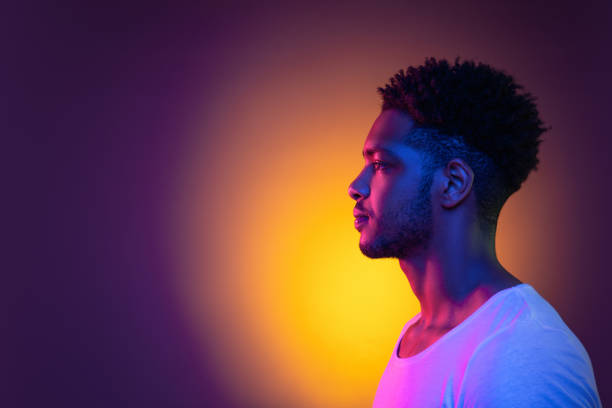
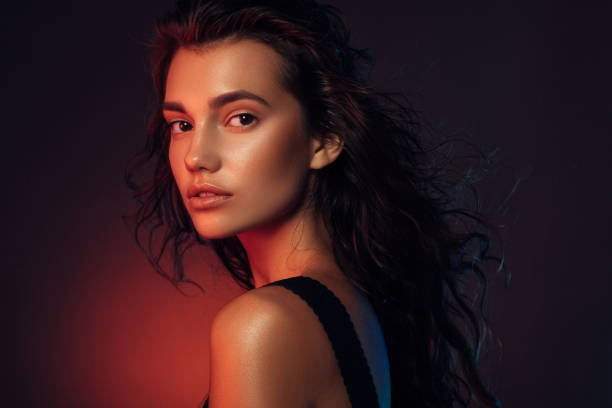
The most dramatic images are created by lighting a subject from the side, with deep shadows and a lot of depth. This is a highly distinct style, with vibrant and melancholy overtones.
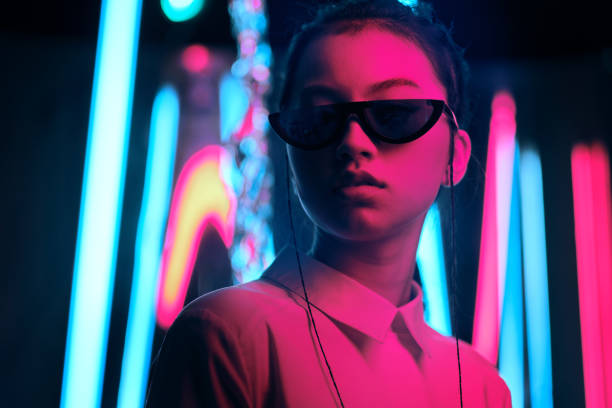
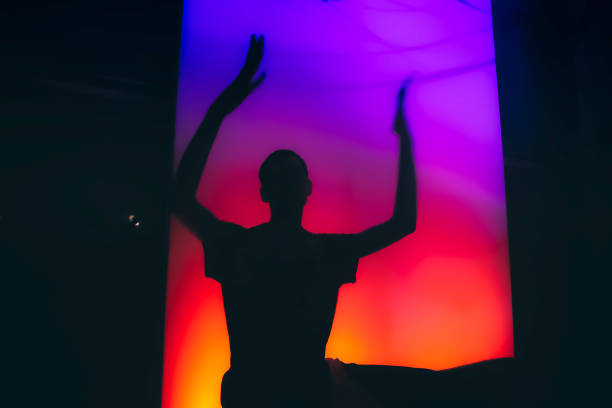
When the light comes from behind your subject, it will appear shaded or silhouetted. However, you can expose these photographs properly and use the lights behind your subject as a rim light if you carefully manipulate the settings on your camera. These accent lights add interest and depth to your image by pulling your subject out of the frame. They look perfect in portraiture and professional product photography.
Slide-show
Different Types Of Lighting
Natural and artificial light are the two basic types of light. Natural light can be the direct light of the sun on a bright day, the diffused light caused by an overcast or foggy day, or even the light of the moon at night, as long as it occurs without human intervention. On the other hand, artificial light may frequently be relocated and modified to match your needs. Artificial lighting is more accessible to position concerning your subject than natural lighting, which requires you to relocate the subject and camera depending on the lighting method you wish to apply. As long as you know how to control and use artificial and natural lighting, you can create various lighting styles.
Butterfly Lighting In Photography
Butterfly lighting, like loop lighting, gets its name from the type of shadow it casts on your model’s face. For example, Suppose you wanted a butterfly-shaped shadow behind your subject’s nose. In that case, place your light in front of and above them. Glamor pictures and headshots make use of this lighting frequently. It will also enhance the other facial features with the same level of intensity, which can be beneficial for highlighting high cheekbones but not so much if your model has deeply-set eyes as it will result in excessive shadow under the eyes.
Natural Lighting For Photography
If you wish to click a photograph with natural light, you must first comprehend the sun’s angle and how it will affect your composition. For example, if the sun is directly overhead for most of the day, you find your subject lighted from upward. A sunny day with no clouds will result in intense shadows. A cloudy sky will dilute the sunshine, resulting in less contrast of light on your subject.
Use the hours closest to sunrise and sunset for softer lighting, as the sun will be off to a slightly different angle rather than being straight above your subject, and the brightness of the sun will be less severe.
Front Lighting (Or Flat Light) In Photography
When the light source is immediately in front of your subject, it is called the front light. As the light is not angled, there may be a limited number of shadows. However, the light will be uniformly distributed across the photo, with no region exposed more or less than the others.
Flat lighting is suitable for portraiture, especially if the subject has wrinkles or flaws they want to hide. On the other hand, front lighting will not provide the detail you need to bring the subject’s character to life if you are trying to produce a picture with many personalities.Another advantage of employing front lighting is that it helps make both sides of the face appear more symmetrical, which is helpful if you are interested in symmetry photography.